Black Friday Cyber Monday (BFCM), the biggest sales event of the year, is rolling in fast. This year, Black Friday lands on November 27 and Cyber Monday on November 30, and U.S. shoppers are expected to spend a record $275.1 billion online over the holiday season. Smaller stores get their share too: last year, more than 94,900 Shopify merchants had their best sales day ever during BFCM weekend.
Of course, you’ll need hot deals to sell like hotcakes. But a bigger discount isn’t always a better one. Cut prices too far and you’ll keep much less on every order (we’ll show you the math in #6). A good BFCM plan is really about choosing the right promotions for your store.
So below, you’ll find 20 BFCM promotion ideas that stand the test of time, updated for 2026, along with tips on when each one works and when it’s better to skip it.
How to pick the right ideas for your store
This guide covers 20 ideas, but that doesn’t mean you need to use all of them. In fact, three to five ideas done well usually beat a dozen done in a rush. The easiest way to choose is to start from what’s actually happening in your store:
| If you notice this in your store… | Start with | Why it fits |
| Many carts end up just below your free shipping minimum | Free shipping threshold (#7) | Shoppers are already close, so a clear target nudges them to add one more item |
| Customers often buy several products together | Bundles and tiered discounts (#6) | You’re packaging what they already buy, so the deal feels natural |
| Customers buy the main product but rarely the extras | Add-ons (#19) | Small extras at full price make each order bigger without another discount |
| You have a solid email list or many repeat buyers | Early access (#1), messaging calendar (#2), loyalty points (#3) | You’re selling to people who already know you, so you spend less on ads to reach them |
| Plenty of mobile visitors, but few of them check out | Mobile checkout (#12), then your offer and shipping costs (#6, #7) | A clunky checkout, an unclear offer, or surprise shipping fees usually cause this. Add a countdown timer (#4) only once those are fixed |
| Lots of first-time buyers who never come back | Loyalty points (#3), post-Cyber Monday plan (#20) | Gives BFCM buyers a reason to return after the sale |
| Steady visitors from another country who rarely buy | Localization (#15) | Language, currency, or shipping may be what’s stopping them |
| A small list and a need for new customers | Referrals (#17), influencers (#18), giveaways (#14) | These help you reach people who don’t know you yet |
Before you commit, check two more things: how much margin you can give up (if it’s tight, lean on bundles, add-ons, and shipping minimums rather than deep discounts), and how much time your team has, since livestreams, influencer campaigns, and product launches take weeks to prepare.
If you’re short on time, start here
If you’re running BFCM with a small team, here’s the order we’d work in. And if you’re starting later than this, keep the same order but squeeze the steps together, beginning with checkout and your main offer.
4 to 6 weeks before Black Friday: Get the basics right
- Fix your mobile checkout (#12)
- Set your free shipping minimum (#7)
- Lock in your main offer and check your margins (#6)
- Plan your customer groups and message calendar, and send your first teaser (#2)
Almost every promotion ends with a shopper checking out on their phone, so this is where small problems cost the most.
1 to 3 weeks before Black Friday: Sell to people who already know you
- Open early access for your best customers (#1)
- Follow your message calendar (#2)
These are often some of your most cost-effective sales, because you’re reaching people who already know your brand.
If you still have room: Add one growth idea
- Referrals (#17) or influencers (#18)
Only if you’re ready: Big-setup ideas
- Livestreams (#10), gamification (#5), and new product launches (#13)
These take the most work. Try them if you already have the audience, tools, or a ready product. If not, it’s fine to save them for next year.
1. Run early access promotions
Why wait for the big day when you can start the party early? In a June 2026 survey of U.S. consumers planning to shop BFCM, 71% said they plan to start buying before Black Friday, and 46% before November. Yet most of them expect deals to start in November: 43% in the week before Black Friday and 32% in early November. That leaves a window where shoppers are ready to spend but aren’t expecting many deals yet, and opening early lets you meet them there.
There are two ways to do it:
- Open your sale early for everyone: You spread orders over more days, but you’ll also be discounting for weeks, including for shoppers who would have paid full price.
- Give early access to a select group: VIPs, subscribers, loyalty members, or app users shop first. For most stores, this is the safer option.
If you go with the second option, here are some tips to make it work:
- Don’t over-discount loyal customers: First pick of sizes, colors, and limited stock is often reward enough.
- Use it to grow your list: 52% of shoppers say early access to BFCM deals would get them to subscribe to a new brand’s messages.
- Keep stock for the main sale: Don’t let early access clear out your bestsellers.
- Offer exclusive perks: Free shipping or a gift with purchase sweetens the deal without cutting prices further.
It’s also worth knowing that last year, brands that started their deals before November were 25% more likely to report better BFCM performance. Since that’s based on what brands said about themselves, it’s still worth testing early access with one group first and comparing the results with your main sale.
Early access also works best as the first step of your message calendar (#2): a private preview for your VIPs, followed by the public launch for everyone else.
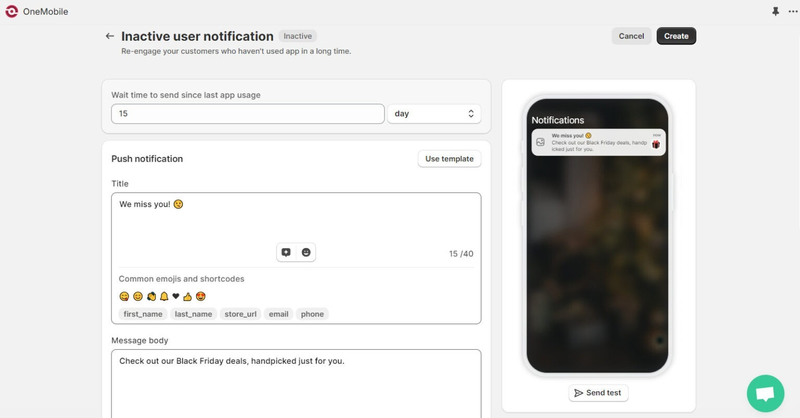
If you have a mobile app, early access becomes even easier to run. People who downloaded your app have already chosen to stay close to your brand, so they make a natural VIP group. With OneMobile, for example, you can announce early access with a push notification that opens the sale page right inside the app.
2. Prepare your email and push notifications calendar
Don’t leave your BFCM communication to chance. During the big weekend, every brand is sending more emails and notifications than usual, so a clear plan will get you further than simply sending more.
At a minimum, your calendar should cover four moments: (1) a teaser in late October, (2) early access invites in early November, (3) a clear launch message when the main sale goes live, and (4) a last-chance reminder on Cyber Monday. Then follow up after the sale to thank buyers and point them to what’s next. For a detailed day-by-day plan, check out our push notifications calendar for BFCM.
A schedule tells you when to send. Just as important is deciding who should get each message, because not every customer needs the same one:
- Recent full-price buyers: Skip the launch email and offer bonus loyalty points (#3) or early access instead.
- Cart abandoners: Start with a plain reminder. The sale price is often enough, and an extra code may give away margin on orders that would have converted anyway.
- Shoppers who already bought: Remove them from sale reminders and switch to order updates.
- Inactive subscribers: Don’t blast them. Suddenly emailing people who stopped opening your messages long ago can make inbox providers treat you as spam, so even your engaged subscribers may stop seeing your emails.
Timing matters too. Last year, sales across Shopify stores peaked at $5.1 million per minute just after noon EST on Black Friday, so have your site, codes, and inventory ready by that morning. As a rule of thumb, use email for messages that need more detail and push notifications for time-sensitive ones, like “the sale is live” or “your cart item is almost sold out.”
3. Give more loyalty points exclusively for BFCM
If you have a loyalty program, make the most of it. There’s a simple reason points can work better than a bigger discount: a discount is used up the moment someone checks out, while points can only be spent on a future order. That gives BFCM shoppers a reason to come back. Points work best for products people buy regularly, like beauty, apparel, food, or pet supplies. For one-time purchases or first-time buyers, a simple discount usually lands better.
Here are some ways to make your points work:
- Boost points for BFCM: Offer 1.5x or 2x points on BFCM orders, or bonus points on orders above a set value.
- Delay when points can be used: Let customers spend them from mid-December or January, so they come back after the sale.
- Remind customers of their balance: Send a reminder before points expire, so they don’t go to waste.
- Know your cost: Work out what each point is worth before doubling them, and keep rewards within reach.
One more thing to check: if you sell both online and in-store, make sure customers can earn and use points in both places. Points that only work in one channel feel less valuable. Loyalty apps like OneLoyalty, from the OneMobile team, connect points across your website, in-store checkout (Shopify POS), and mobile app.
4. Use countdown timers for urgency
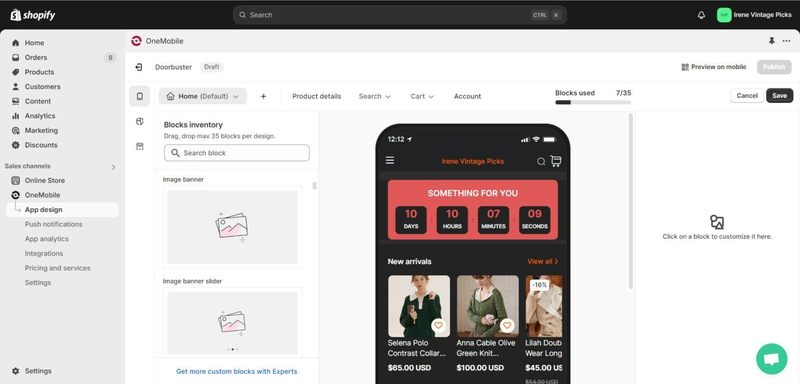
Some shoppers like a product but keep telling themselves they’ll decide later. A countdown timer gives them a reason to decide now, as long as the deadline is real. Timers that quietly restart every time someone visits are easy to spot, and once shoppers notice, they stop trusting your other claims too.
Place your timer where people make buying decisions, such as the top of your homepage, your app’s home screen, and the pages of products on sale. Next to it, say exactly what ends and when, including the time zone if you sell in different regions.
Just don’t expect a timer to fix a deeper problem. If shoppers aren’t adding anything to their cart, the offer or the product page is usually what needs work.
5. Gamify your Black Friday promotion
Games make BFCM more fun, but they take time to set up, so they’re worth it mainly when you want shoppers to do something specific, like sign up or come back. Choose the game based on what you want them to do:
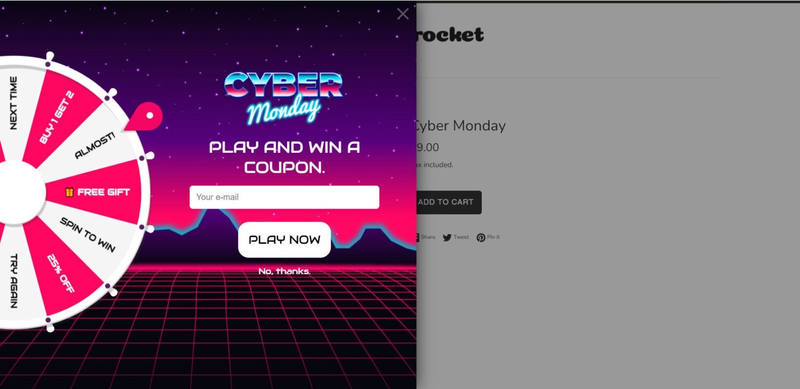
- Lucky Spin: A spin-to-win wheel collects sign-ups and first orders. Since everyone wins something, keep most prizes small.
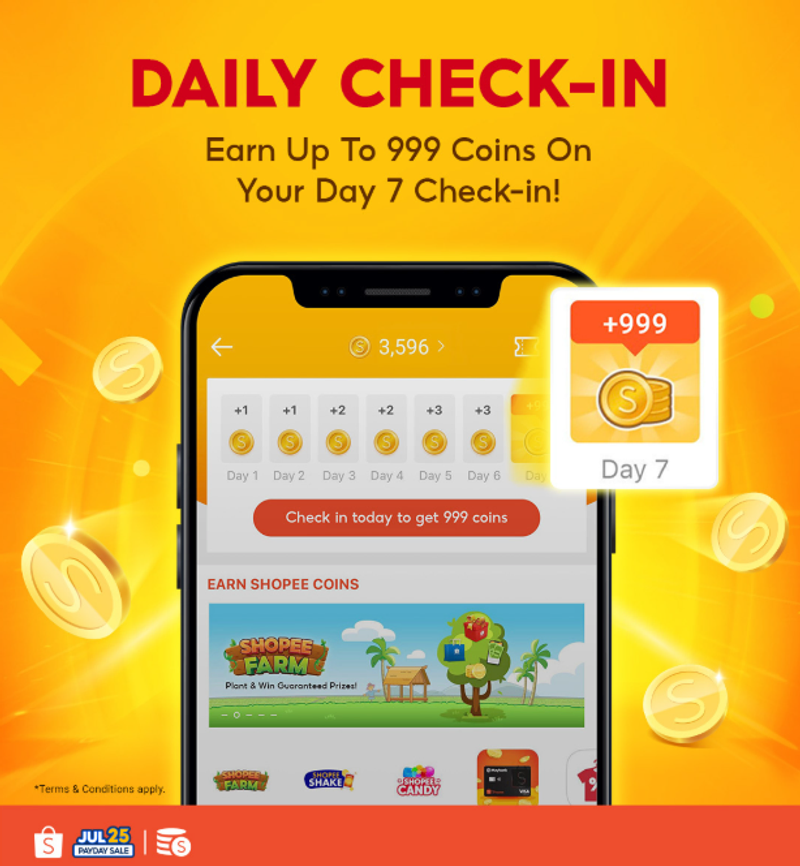
- Daily Check-in: Reward shoppers who visit each day of a longer sale with bonus points or a new daily deal. It works best in an app, where push notifications can remind them to check in.
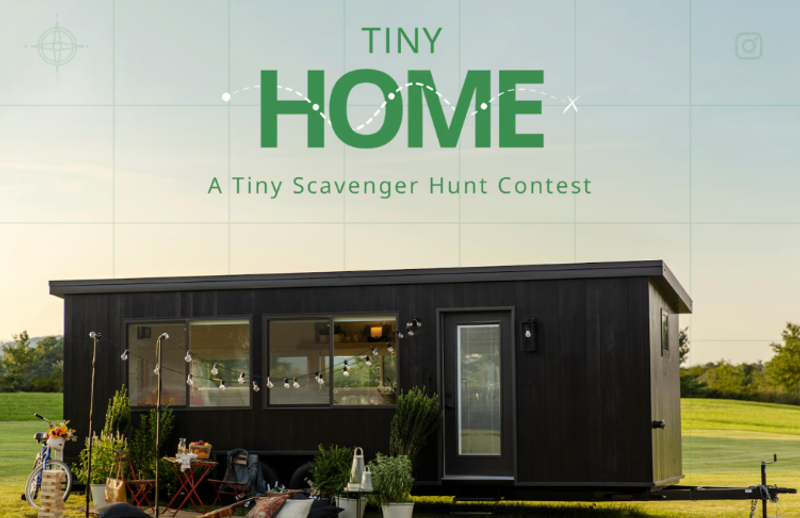
- Scavenger Hunt: Hide promo codes or icons across your store or social channels and reward shoppers who find them. It keeps people browsing longer and helps them discover more of your products.
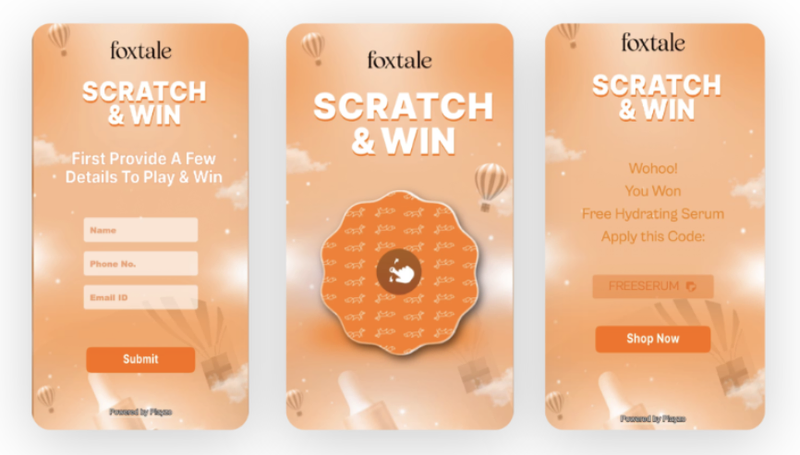
- Digital Scratch Cards: Let shoppers scratch a virtual card after checkout to reveal a reward for their next order, giving them a reason to come back in December.
- Leaderboard Competition: Show a live ranking of top spenders, referrers, or point earners during BFCM and reward the winners. This works best if your customers already enjoy engaging with your brand.
A few other game-style ideas are covered elsewhere in this guide: spending milestones as tiered discounts and mystery boxes as bundles (#6), referral rewards (#17), and prize draws (#14).
Before you commit, check that your current tools can run the game, and set a total prize budget so it doesn’t turn into an extra discount.
If your team is small and you don’t already have a tool that runs games, it’s better to skip this one for BFCM than to build a new campaign from scratch.
6. Bundle deals and product discounts
Bundles and tiered discounts (bigger discounts for bigger orders) encourage shoppers to spend more per order while feeling like they’re getting a better deal. Done right, they also leave you more profit than a discount on your whole store.
Between Thanksgiving and Cyber Monday, discounts are expected to peak at up to 30% off, with electronics around 30%, toys around 29%, and apparel around 23%. That might sound like a lot to compete with, but you don’t have to match it. A quick example shows why.
Say your average order is $60, product cost is 40% of the selling price, and shipping costs you $8. Here’s what you keep per order, before payment fees:
| Offer | Customer pays | Product cost | Shipping | You keep |
| No sale, $60 order | $60.00 | $24.00 | $8.00 | $28.00 |
| 25% off sitewide, $60 order | $45.00 | $24.00 | $8.00 | $13.00 |
| $75 order with 10% off (tier starts at $75) | $67.50 | $30.00 | $8.00 | $29.50 |
| $100 order with 15% off (tier starts at $100) | $85.00 | $40.00 | $8.00 | $37.00 |
With 25% off everything, you keep $13 instead of $28, less than half of what a full-price order leaves you after product and shipping costs. The tiered discounts do better in this example because they only kick in above your usual order size, so shoppers have to add items to get them. That isn’t guaranteed, though. A deeper discount, lower profit per product, or a minimum that’s too easy to reach can make a tier lose money too.
So before you set your tiers, run two quick checks.
1. Does the extra spending cover the discount?
Say a shopper adds one more item to go from $60 to $75 and unlock 10% off. Here’s what changes for you:
- What you gain: They add $15 in products. After paying the 40% product cost, that’s about $9 extra for you.
- What you give up: 10% off the whole $75 order costs you $7.50.
- The result: $9 gained minus $7.50 given up leaves you $1.50 ahead.
That’s why the $75 row in the table shows $29.50 instead of $28. If the discount ever costs more than what the extra items bring in, the tier loses money.
2. How many shoppers already spend that much?
Anyone who was going to spend $75 or more anyway gets 10% off without adding anything. For those orders, you’re giving a discount without getting any extra spending in return. So check your recent orders. If many already land above a tier, decide whether the extra discount is worth the margin you’re giving up. You may need to raise the threshold or adjust the offer.
To run this with your own numbers, take what the customer pays, then subtract product cost and shipping. This leaves out payment fees, fulfillment, and returns, so subtract those too if you know them.
Bundles follow the same idea: give shoppers a reason to buy more at once. Here are a few types to try:
- Themed bundles: Package products people already buy together, like a cleanser, toner, and moisturizer.
- Value packs: Multi-packs of things people use up suit shoppers who stock up during BFCM.
- Bestseller plus slow mover: Clear stock without discounting the slower item on its own.
- Mystery bundles: Shoppers don’t know exactly what’s inside until it arrives. It creates buzz and helps move extra stock, as long as the value clearly beats the price.
- Build-your-own bundles: Take Glossier, for instance. The brand sells ready-made sets and also lets shoppers build a custom skincare set at a discount.
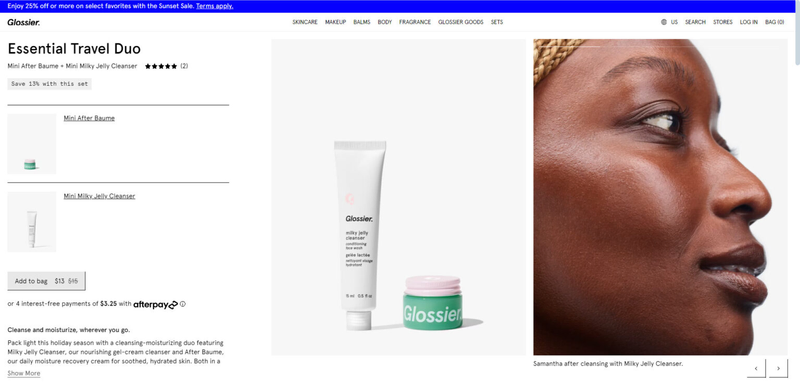
Finally, decide whether shoppers can use a discount code on top of a bundle deal. Letting discounts pile up is an easy way to lose money on a sale that looks great on paper.
7. Offer free shipping
Did you know that extra costs like shipping, taxes, and fees are the top reason shoppers abandon their carts? Free shipping removes that surprise at checkout. And if you require a minimum order to qualify, it also encourages shoppers to add a little more to their cart.
Here’s how to set that minimum:
- Start just above your average order value, so many shoppers only need one more item.
- Check that the extra profit covers your shipping and packing costs.
- Show progress in the cart, like “You’re $12 away from free shipping.”
- Match it to your discount tiers (#6), so shoppers have one target instead of two.
- Set a separate minimum for international orders, since shipping overseas costs more.
Fashion Nova is a good example of this in action. The retailer currently offers free shipping on orders over $75, and during its free 1-day shipping promotions, U.S. orders of $100 or more can get next-day delivery at no extra cost. That gives shoppers two clear targets, with faster delivery as the reward for spending more. It also sets limits to protect its costs, like excluding very large orders from shipping promotions.
If you sell heavy items or most orders are small, free shipping may cost you more than it brings in. A low flat fee, like $5 shipping on every order, can be the better option.
8. Create unique and helpful gift guides
Many BFCM shoppers are buying for someone else and don’t know what to get. A gift guide helps them decide faster. It also lets you choose which products get the spotlight, so pick them carefully. Good choices are products that:
- Have strong reviews, since gift buyers want a safe bet.
- Have enough stock to last through December.
- Still make a healthy margin at sale prices.
- Match what people plan to give. Last season’s most popular planned gifts were clothing and accessories (50%), gift cards (43%), and toys (32%).
Organize your guides the way gift shoppers think: by budget (“Gifts under $50”), recipient (“For Dad”), or interest (“For the coffee lover”).
Amazon’s Holiday Shop is a good example. Each season, it brings all of Amazon’s gift guides together in one place, with guides by category (like toys, electronics, fashion, and beauty), by price, and by recipient. It even has guides that only include items currently on sale, which is a smart idea to borrow for BFCM: a “Gifts on sale” guide lets deal hunters and gift shoppers find what they want in one click.
Once your guides are ready, link to them in your emails, add clear “Add to Cart” buttons, and display holiday shipping deadlines so shoppers know whether their gifts will arrive on time.
9. Prepare for AI-powered shopping and support
More shoppers are using AI to discover products and get help. This season, traffic from AI tools to U.S. retail sites is expected to rise 130%. During last Cyber Week, AI tools influenced 20% of global online orders, according to Salesforce data from large retailers.
AI readiness isn’t a promotion by itself, but it can help shoppers find your products and understand your offers. Here’s where to start:
- Make product information clear: Prioritize your top 10 to 20 products. Use specific titles and descriptions, highlight deal terms, and answer common questions about sizing, shipping, and returns.
- Update your shopping assistant: If you use a chatbot or tools on WhatsApp or Instagram, update them with sale dates, discount rules, shipping cutoffs, and return policies. Route complex issues like refunds and damaged orders to a person.
- Be transparent about data: If you use browsing or purchase history to personalize offers, explain how that information is used and what shoppers get in return.
- Avoid major new setups right before BFCM: New AI tools need time to learn your products and be tested. A wrong answer during peak sales can frustrate customers when your team is busiest.
- Track what works: Monitor AI-driven traffic, how many chats are resolved without staff, and whether repeat questions decrease.
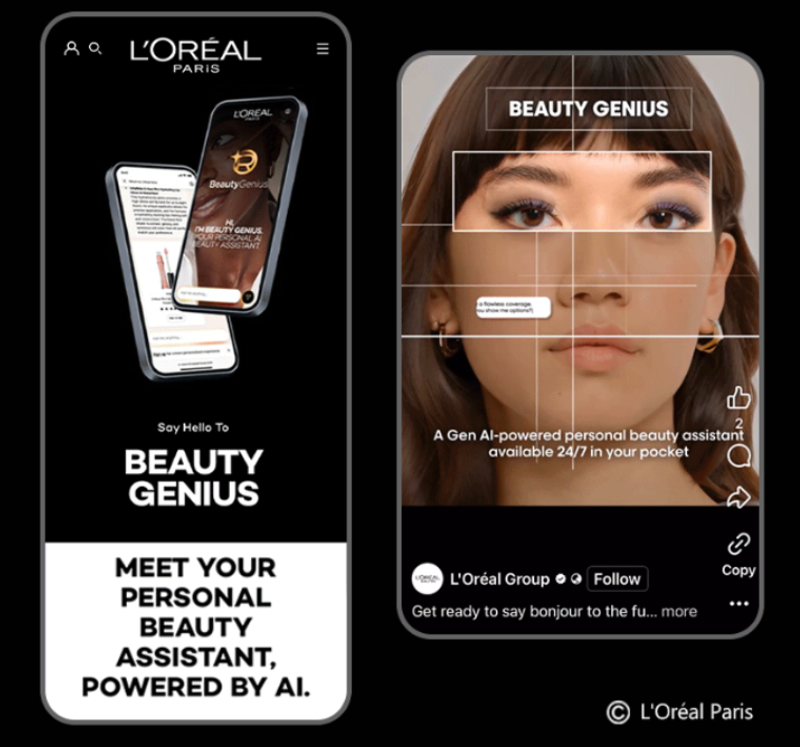
L’Oréal Paris shows where this is heading. Its AI beauty assistant, Beauty Genius, recommends products from a range of more than 750 items and has already held over 1.2 million conversations with U.S. shoppers, on its website and now on WhatsApp. You don’t need anything that advanced, but the idea is the same: let shoppers get answers in a conversation instead of scrolling through collections.
10. Host a livestream selling event
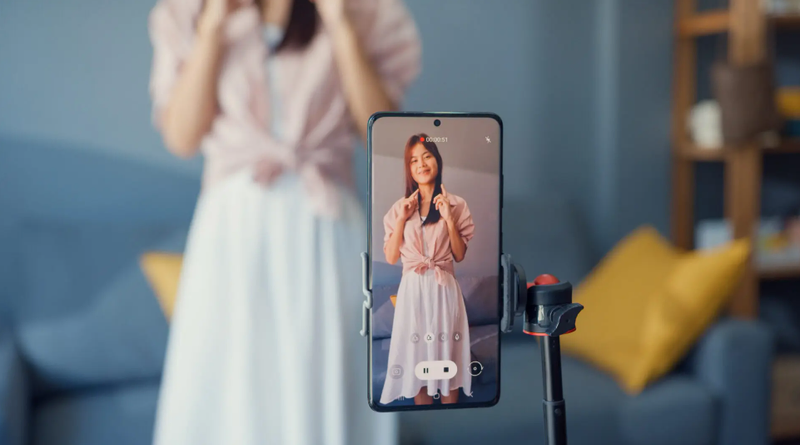
Live shopping is one of the fastest-growing ways to sell during BFCM. Last year, brands and sellers hosting livestreams on TikTok Shop saw 84% sales growth, and Whatnot, a live shopping marketplace known for collectibles, made more than $75 million in live sales on Black Friday alone. These are platform totals, though, not what one store should expect from its first stream.
Livestreams work best for products that look better in action, like fashion, beauty, and gadgets. Some big brands also use them to bring shoppers into their own channels. SHEIN streams its shows on social media while viewers buy through its app, and Zara hosts its live shopping only on its own app and website.
If you want to try it this BFCM:
- Start small and early: Run a few short test streams on a platform you already use in the weeks before the sale, before spending on lighting, hosts, or production.
- Build anticipation: About a week ahead, post teasers that preview your live-only deals, then send reminders on the day.
- Keep it focused: Aim for 20 to 40 minutes and a handful of products.
- Track orders, not views: Use a live-only code or link, then compare those orders with what the stream cost you.
- Reuse the recording: Turn it into a video shoppers can buy from after the event.
11. Donate to a cause for every purchase
In a season full of discounts, giving back is a good way to help your brand stand out. It works best when the cause connects to what you sell. For example, a clothing store could donate a warm item to a shelter for each jacket sold.
To keep it credible, name the partner and amount (like “$2 per order to [partner]”), set a cap, and share the total afterward. Giving Tuesday on December 1, 2026, right after Cyber Monday, is a good day to announce it.
To see whether it’s worth repeating, compare sales of the products tied to the cause with similar products you didn’t include. If they don’t sell noticeably better, the campaign may still build goodwill for your brand. Just treat the donation as a brand investment rather than a sales driver, and decide whether that’s worth it for next year.
12. Optimize your store for mobile experience
Mobile is expected to make up 57.4% of U.S. online holiday spending this season, and a record 63% on Thanksgiving. During the holidays, people are often away from their desks, so their phone is what’s in their hand when a deal catches their eye.
On a phone, shoppers can buy from you in two ways: through your mobile website or through your app. You decide where to send them, and each one suits different shoppers.
Your mobile website works for everyone. There’s nothing to download, so anyone who taps a link in an ad, email, or social post can buy right away. That makes it the safest place to send shoppers who don’t know you yet, and it’s the one experience every BFCM shopper can reach. Get these basics right first:
- Make sale pages load fast.
- Show the deal, price, and end date without scrolling.
- Keep “Add to Cart” visible and checkout short.
- Turn on one-tap checkout options like Shop Pay and Apple Pay. Last year, sales made through Shop Pay, Shopify’s one-tap checkout, grew 39% during BFCM, a sign of how many shoppers now use it.
- Test your checkout on a real phone.
A mobile app works best for customers who come back often. It needs a download first, but once it’s on their phone, shoppers can return in one tap, save favorites, and hear about your deals through push notifications instead of a crowded inbox. An app makes sense when:
- Repeat customers who buy several times a year drive a good share of your revenue.
- You have a way to get them to download it, like an app-only perk or loyalty reward.
On the other hand, when most of your BFCM sales come from first-time buyers, or people on phones buy much less often than people on computers, focus on your mobile website first.
As for timing, launching a new app right before BFCM only makes sense if you already have customers to invite and a strong reason for them to download it, like app-only early access. Even then, think of it as a bonus. Otherwise, it’s usually smarter to launch after the sale and invite your new BFCM customers.
Once your app is live, the two channels can work together: keep sending new shoppers from ads to your website, and use the app to bring your regulars back. On launch day, a push notification can take them straight to the sale. After BFCM, wishlist and back-in-stock alerts can bring back shoppers who saved items but didn’t buy.
Setting up an app doesn’t have to be a big project, either. OneMobile can help you turn your Shopify store into a dedicated mobile app without coding, giving customers a faster, app-like shopping experience with personalized offers and push notifications. And when BFCM comes around, you can give your app a holiday look with AI Campaign and set up dedicated sale screens for your deals.
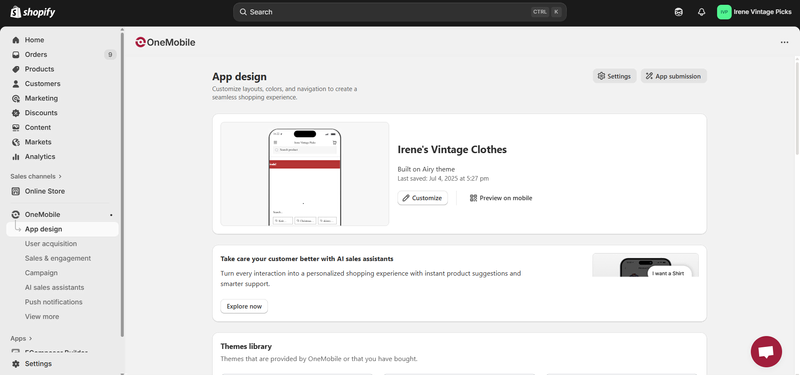
A clean, easy mobile experience, whether on your website or in an app, helps more shoppers finish their purchase and enjoy shopping with you wherever they are.
13. Promote new product launches
BFCM brings in lots of shoppers, so it’s tempting to launch something new. The problem is that a new product at full price has to compete with your discounted bestsellers. That’s why timing matters:
- Launch before BFCM (late October or early November) if it makes a great gift, so it can collect reviews first.
- Launch during BFCM only if you’ve built buzz and have enough stock. Bundling it with a bestseller makes it easier to try.
- Wait until January if it needs explaining or you don’t want to discount it. Once the sale noise dies down, shoppers have more attention to give something new.
For small teams especially, it’s not worth creating a launch just to ride BFCM traffic. If the product isn’t ready or demand isn’t clear, your time is better spent on your main offer.
14. Host giveaways on social media
A giveaway is a cheap way to get your brand in front of more people before BFCM. On its own, though, it rarely brings in many sales. The sales come later, from what you do with the people who entered.
That’s why the setup matters. Choose a prize that’s one of your own products, because a cash prize mostly attracts people who just want to win something. Ask entrants to sign up for your emails, so you can reach them once the sale starts. Then close the giveaway before early access opens, and invite every entrant to shop your deals first when you announce the winner.
When it’s over, count how many entrants actually bought something, rather than how many new followers you got. And check each platform’s giveaway rules before you post.
Here’s an example of how a giveaway might look:
🎉 BFCM GIVEAWAY! 🎉 Win our Ultimate Holiday Bundle worth $500! To enter:
1️⃣ Follow @yourbrand
2️⃣ Sign up for early access at the link in our bio
3️⃣ Tag 2 friends who love [your product category]
The winner will be announced on November 6, and every entrant gets early access to our BFCM deals! #BFCMGiveaway #YourBrandName
15. Localize your website
BFCM is rooted in the U.S., but it’s now a global event. During last year’s BFCM, 16% of all Shopify orders came from shoppers buying from another country.
That’s a platform-wide number, so start by checking your own store. If a country sends you plenty of visitors but few of them buy, compared with your home market, language, currency, or shipping could be what’s holding them back. Focus on two or three of those markets and cover:
- Language: Translate product pages, sale banners, and checkout.
- Currency: Show prices in local currency, rounded to natural-looking numbers.
- Shipping: Show delivery times and costs, with earlier holiday cutoffs.
- Returns: Make your policy clear for overseas buyers.
- Local calendar: In much of Asia, Singles’ Day, a huge online shopping event on November 11, comes before BFCM, so some markets may need an earlier push.
Shopify’s built-in tools cover the basics. If you need more, like translating your whole store and switching language and currency automatically for each visitor, apps like Transcy can handle it, with support for 147+ languages and 168+ currencies.
16. Offer limited-edition products
Have you ever felt the thrill of owning a limited-edition item from your favorite brand? That feeling is even stronger when the limit means something.
In November 2017, the cosmetics brand Lush teamed up with the Sumatran Orangutan Society, a UK charity that protects orangutans and their rainforest home, to launch an orangutan-shaped soap. Lush made exactly 14,600, the estimated number of Sumatran orangutans left in the wild at the time. The soaps sold out and raised £126,014 for habitat protection.
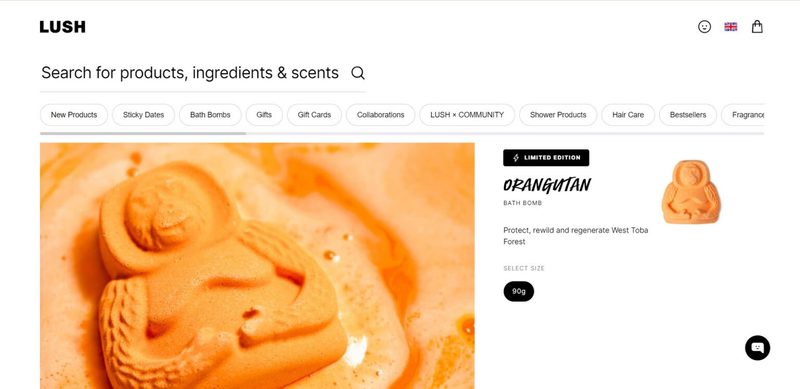
What made it work was the meaning behind the number. To borrow the idea, tie your limited run to a real reason, share the exact quantity, and don’t restock right after it sells out. Base the quantity on how similar products have sold, since too few disappoints fans and too many makes “limited” meaningless.
17. Run a referral program
People tend to trust a friend’s recommendation more than an ad, which makes referrals one of the more affordable ways to find new customers. For BFCM, timing is key: launch or promote your program a few weeks before the sale, so friends get your link while they’re still deciding where to shop.
To keep the program from eating into your profit:
- Don’t stack discounts: Referred friends already get your sale price, so offer a free gift or free shipping instead of another percentage off.
- Reward real purchases only: Pay referrers after the new customer’s order is paid, and ideally after the return period ends.
- Block self-referrals: Limit rewards to one per new customer, so people can’t refer themselves with a second email address.
- Check who comes back: After the sale, see whether referred customers buy again. If most only show up for discounts, the program may cost more than it brings in.
18. Partner with influencers
Influencer marketing is a proven channel, but it gets crowded during BFCM. During TikTok Shop’s BFCM campaign last year, creators posted nearly 10 million videos with links to buy. To stand out in all that noise, here’s some of our advice:
- Post before the sale: Demos and reviews work best while shoppers are still deciding. Once the sale starts, link straight to the deal.
- Choose by audience, not follower count: Smaller creators whose followers would actually buy your products often do better than bigger names.
- Share the risk: Pay creators partly through a commission on sales from their discount code, and judge results by orders rather than views.
- Book early: Traffic that arrives before your landing page, stock, or tracking is ready goes to waste.
It also helps to think about what each type of content does best. Creators are great at getting your BFCM campaign in front of new people, but shoppers often need more convincing by the time they reach your product page. That’s where content from your own customers comes in. Show real reviews, customer photos, and unboxing videos on your product and sale pages, so shoppers arriving from a creator’s post find proof from people like them right before they decide.
19. Offer product add-ons
Once a shopper has picked what to buy, you still have one more chance to add value: right on the product page or in the cart. Add-ons are small extras offered at that moment, and unlike your sale items, they can stay at full price, which helps you win back some of the margin your discounts give up.
Since so many BFCM orders are gifts, these work especially well:
- Gift wrapping: Offer wrapping and a gift message for shoppers buying presents.
- Personalization: Let shoppers add names or initials to items like jewelry or leather goods.
- Small extras: Suggest low-cost items that go with the main product, like a phone case or a travel size of a bestseller.
- Gift cards: Give unsure shoppers an easy option. 43% of holiday shoppers planned to buy at least one last season.
Keep it to two or three options that can be added in one tap, so checkout stays quick.
Add-ons work best alongside bundles (#6) and your free shipping minimum (#7). Bundles and tiers make the basket bigger, and the shipping minimum gives shoppers a clear target. A relevant add-on can then help shoppers reach that threshold.
20. Extend your sale beyond Cyber Monday
Don’t let the excitement end on Cyber Monday. Shoppers keep buying through December, and discounts of 10% to 15% are expected to continue throughout the month. The goal is to keep sales coming in without keeping your biggest discounts running. Here’s one way to pace it:
- The week after Cyber Monday: End the sitewide deal, but offer something smaller, like bundles at 15% off, to shoppers who browsed or left items in their cart.
- Early to mid December: Shift from price to timing with your gift guide (#8) and holiday shipping cutoffs.
- After your shipping cutoff: Promote digital gift cards for last-minute shoppers.
This is also where a mobile app (#12) can earn its keep. Wishlist and back-in-stock alerts give BFCM shoppers who didn’t buy a reason to come back, without another round of discounts for everyone.
Frequently asked questions
1. Can I raise my prices before BFCM so my discount looks bigger?
It’s not a good idea. In the U.S., the FTC’s Guides Against Deceptive Pricing say a “was” price should be one you genuinely charged for a reasonable time, and in the EU, discounts generally must be based on your lowest price in the previous 30 days. Many shoppers also check price history with browser extensions. To protect your margin, use bundles, tiered discounts, or a free shipping minimum instead (#6, #7).
2. How do I stop my discount codes from ending up on coupon sites?
Replace public, reusable codes with offers that are harder to share:
- Discount links: Apply the discount automatically at checkout, so there’s no code to copy.
- Single-use codes: Send unique codes for early access, cart reminders, and VIPs.
- Limits: Add expiry dates, usage caps, a minimum spend, or new-customer-only rules.
3. Should I change my return policy for BFCM orders?
Yes, if you sell gifts, since many won’t be opened until late December. Consider extending the window for holiday orders (last season, Amazon let shoppers return most items bought from November 1 to December 31 until January 31), encouraging exchanges or store credit over refunds, and clearly marking final-sale items before the sale starts.
4. How do I know if my BFCM campaign was actually profitable?
Look past revenue. For each order, subtract product cost, shipping, and payment fees from what the customer paid (see #6). For the whole campaign, add up those amounts and subtract ads, influencer fees, prizes, and returns. Also check how much came from loyal customers who would have bought at full price anyway, and how many new buyers return within 60 to 90 days.
5. What should I do if a bestseller sells out mid-sale?
Mark it as sold out, swap it out of ads and emails, and suggest a similar in-stock product. Then capture the demand with a “notify me” button, pre-orders with a clear ship date, or a code that honors the sale price once it’s back.
6. Is it too late to launch a mobile app before BFCM?
Not if you can go live a few weeks before Black Friday and have customers ready to invite, like an email list or loyalty members, plus a reason for them to download, such as app-only early access. The slow part isn’t approval but getting downloads. If you can’t do that in time, focus on your mobile website and launch the app right after the sale to keep your new customers coming back.
Amped up to finish the year strong?
The biggest sales season of the year is almost here. If you take away three things from this guide, make them these:
- Protect your margin. Choose your offer based on what you actually keep per order (#6), not on how big your competitors’ discounts are.
- Do fewer things well. Pick three to five ideas that match what’s happening in your store and what your team can realistically run.
- Plan beyond Cyber Monday. Decide how you’ll bring BFCM buyers back in December and January, not just how to sell to them over one weekend.
For stores where repeat customers drive a big part of revenue, a mobile app can help with that third step. Whether you launch before Black Friday or right after, OneMobile can turn your Shopify store into an app without building one from scratch.

Alexandre Le
Content Specialist
“I'm Alexandre Le - a marketer with 5+ years of hands-on experience in the eCommerce industry. I want to use my expertise and personal perspectives to produce insightful blog posts that help online store owners to launch, run, and scale up their businesses successfully.”
Table of Contents
Table of Contents
Read more articles
26 Best Shopify Apps for Black Friday Cyber Monday [Hot Deals Included]
By Alexandre Le
October 28, 2026
BFCM Checklist 2026: How to Prepare Your Mobile App
By OneMobile Team
October 8, 2026